
When was the last time you really listened to your reviews? 5-star reviews are great and negative ones comparatively aren’t so great. But hidden inside those reviews is a goldmine of insights that can fuel growth, improve customer experience, and sharpen your competitive edge.
Perhaps this isn’t an absolutely necessary process to go through, but the businesses that are strategic about turning reviews into data would know that a review audit can be the roadmap to future success. It’s perfect for those off-season periods, when businesses have time to reflect.
Why Reviews Deserve More Than a Glance
- They reveal patterns: A single complaint might be an outlier, but three in a row about long wait times? That’s a signal.
- They shape reputation: 9 out of 10 customers read reviews before choosing a business, so what people say (and how you respond) directly impacts revenue.
- They uncover opportunities: Customers often suggest what they wish you offered—new services, extra hours, or small touches that can set you apart.
How to Run Your Review Audit
1. Gather Your Reviews
Pull reviews from every platform: Google, Facebook, TripAdvisor, industry-specific directories, or your own website. Don’t forget feedback collected through surveys or emails, that counts too.
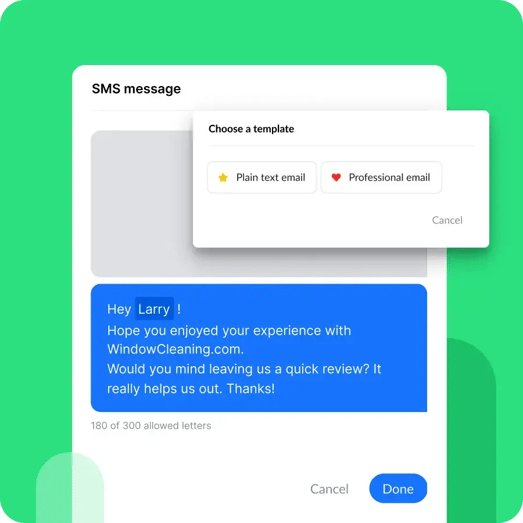
You can automatically collect reviews from customers after jobs or purchases with NiceJob, then sync them across the most important platforms (Google, Facebook, etc.). That means your audit starts with a complete and accurate picture without manual copy-pasting.
2. Spot Recurring Themes
Go beyond the star rating. Look for recurring words, themes, or issues.
Sometimes the star rating doesn’t accurately reflect the written feedback that comes along with it. Alternatively, the same review could provide positive feedback and negative feedback at the same time: “The service was great and the staff left my windows spotless! But they were half an hour late” so it’s crucial to analyze reviews for recurring themes.
It’s a good idea to make note of these recurring themes in a table, and list the examples of reviews/feedback under each of the columns. That way you’re able to keep track of how frequently these comments have occurred and quantify them.
Here’s an example:
|
Punctuality |
Service Quality |
Attitude |
|
“Mark was on time and was quick to get started with the lawn mowing” |
“David did a stellar painting job and finished in less time than I expected!” |
“Julia took the time to answer all my questions about prolonging the curls after the perm” |
|
“Staff arrived late and did not give a prior heads up” |
“He was so attentive to details and gave us tips on how to clean off stains without ruining the paint” |
“The server’s attitude was extremely poor and was not helpful when I asked about the ingredients in the dish” |
There are several tools that can help you scrape this information. With NiceJob, AI-powered insights can surface common keywords and recurring themes in your reviews, so you don’t have to sift through them one by one.
3. Separate Strengths from Weaknesses
Now that you have your themes, time to break your audit down even more. The comments will typically fall under two categories: Positive feedback and negative feedback.

Divide them into:
- Strengths to double down on (e.g. fast service, friendly staff, great product/service quality): With strengths, use those reviews to supercharge your marketing. Showcase them in social proof—decorate your social channels with glowing reviews and before-and-after illustrations. NiceJob can help you get those published automatically to your website, through the Stories widget or shared on social media.
- Weaknesses to improve (e.g. long response times, poor staff attitude, sub-par service): Negative feedback isn’t always bad, it’s an opportunity in disguise. Reviews that highlight weaknesses give you a clear roadmap of where to focus your improvements. Instead of guessing at what’s not working, your customers are telling you directly.
4. Take Action
Feedback only builds loyalty when it leads to change. There’s always something you can do to make the most out of your reviews.
Positive feedback:
- Fast service: Highlight speed as part of your brand promise. Make it a competitive differentiator and feature reviews that back up the claim.
- Friendly staff: This is a human connection advantage. Knowing who’s receiving external feedback for doing a good job helps you understand who deserves to be recognized, rewarded, and even used as a model for training others. Highlighting team members who consistently earn praise not only boosts morale internally but also shows customers that you value great service.
- High product or service quality: Build campaigns around reliability. Share customer stories, before-and-after photos, or case studies that prove the impact your product or service delivers.

Negative feedback:
- Long wait or response times: That’s a sign your processes may need tightening. Maybe it’s about scheduling efficiency, better customer communication, or adjusting staffing levels during peak periods.
- Poor staff attitude or lack of professionalism: This signals a training and culture opportunity. Employees are the face of your brand, and consistent negative mentions point to areas where coaching, recognition, or even hiring adjustments might be necessary.
- Sub-par service quality or product issues: Customers flagging recurring quality problems may mean processes, equipment, or supplier choices need to be reevaluated. Consistency is everything. If they can’t rely on you to deliver, they won’t stick around.
5. Close the Loop
The audit doesn’t stop at improvements, you should show your customers that you’ve listened to their feedback. Afterall, visibility and optics are important when it comes to running a business.
Examples:
- Reply publicly to reviews with gratitude and transparency
- Announce changes (e.g. “You asked, we listened: we’ve extended Saturday hours!”) in email, social, or even in-store signage
When the business grows and managing every aspect of the business gets overwhelming, lean into reputation management tools to help you get things done. You can automate your review replies with NiceJob, customized to match your business’ brand voice and rules.
Final Thoughts
Your reviews aren’t just a reflection of your business, they help you map out where to go next. By running a review audit, you move from passively collecting feedback to actively using it as a growth engine.
With NiceJob, gathering, managing, and analyzing reviews is effortless—so you can spend less time sifting through comments and more time creating the 5-star experiences your customers already believe you can deliver.