
•
Blog

Timing is one of the most overlooked factors in successful review collection. Even if your review request is perfectly worded, sending it at the wrong moment can dramatically reduce response rates—or worse, frustrate your customers.
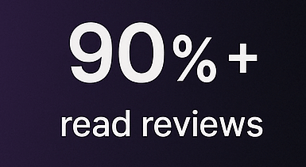
That matters, because reviews are now a core decision driver for buyers. Over 90% of consumers read at least one online review before making a purchase, and 93% say reviews impact their buying decisions. And when reviews are visible, they don’t just look nice, they have tangible impact. Displaying reviews can increase conversion rates by up to 270%, and as much as 380% for higher-priced products.
Many businesses unintentionally send review requests too early, too late, or at inconvenient times. The good news: most of these mistakes are simple to fix, especially with automated tools like NiceJob.
Below, we break down the most common timing mistakes and how to avoid them.
1. Asking for a Review Too Early
Sending a review request immediately after a job or purchase might seem efficient, but it often backfires. The customer hasn’t had time to fully experience your service or product, so the request feels rushed or transactional.
Early review requests often lead to:
- Lower response rates
- Short, generic reviews
- Customers feeling pressured
That’s a waste of an opportunity, especially when you consider that conversion rates can jump by 270% once a product or service has several reviews. You want those reviews to reflect the full experience, not a half-finished one.
How to fix it:
Send requests once the customer has had a chance to see the final result. What’s “just right” depends on your industry. For example, a few hours after a home service, within an hour for restaurants, or a few days after product delivery.
83% of consumers only see reviews as useful if they’re recent and relevant to the full experience. So if you ask too early, you’re not just risking a weaker review, you’re also undermining the kind of credible, experience-based feedback future customers actually trust.
Need help with what to say, not just when to send it?
Get proven scripts and examples for asking for a review.
Learn More
2. Waiting Too Long to Ask
On the other end of the spectrum, waiting too long causes customers to lose the emotional connection to their experience. The excitement fades, memories blur, and the request feels out of context.
Delayed requests tend to result in:
- Fewer reviews
- Less detail or enthusiasm
- Higher rates of ignored messages
How to fix it:
Automate review requests so they’re triggered promptly after job completion or payment, while the experience is still top of mind.
3. Sending Requests at Inconvenient Times
Even if the days are right, the time of day can make or break your request. Messages sent early in the morning, midday during work hours, or late at night often get overlooked or deleted.
Common low-engagement periods include:
- Early morning rush
- Midday work hours
- Major holidays
- Late-night hours
How to fix it:
Let automation handle optimal send times. NiceJob delivers SMS and email requests during peak engagement windows, increasing the likelihood of a quick response.
4. Not Sending a Follow-Up Reminder
A single review request is rarely enough. Most customers aren’t refusing completely, you just caught them at the wrong moment. Businesses that skip reminders miss out on easy wins.
Follow-up messages are essential because they:
- Capture customers who intended to review but forgot
- Gently increase response rates without being pushy
- Bring in a significant number of additional reviews
This is especially important when you realize how powerful a simple ask can be. About 70% of consumers will leave a review for a business if they’re asked.
How to fix it:
Use NiceJob’s automatic follow-up reminders, sent 24–48 hours later. They’re short, friendly, and highly effective, nudging customers who meant to review you but didn’t get to it the first time.
5. Requesting Reviews Before Issues Are Resolved
Timing is especially sensitive when a customer still has an open complaint or unresolved concern. Sending a review request during this stage can lead straight to a negative review.
This happens most often when teams manually send requests without knowing the full customer status.
It also clashes with what people expect from customer-centric brands: business research published in Forbes notes that 77% of consumers view brands more favorably when they actively seek out and apply customer feedback. If you ask for feedback before resolving an issue, the request feels tone-deaf instead of caring.
How to fix it:
Sync NiceJob with your CRM or invoicing tool so review requests trigger only after:
- The job is marked complete
- The ticket is officially closed
- Or the final invoice is paid
That way, customers are more likely to share a complete (and positive) story of how you handled their needs.
6. Using the Same Timing for Every Customer
Not every service or customer journey follows the same pattern. Sending every review request at identical timing intervals means you miss out on optimizing for different job types or customer scenarios.
Examples:
- Multi-day projects need a different timeline than same-day services
- Return customers may require a lighter touch
- Product-based businesses have delivery and usage cycles to consider
How to fix it:
Customize your review automation by job category, service type, or customer segment. NiceJob’s flexible triggers make this easy and consistent, so each customer gets a request at the moment that best matches their experience.
7. Relying on Manual Timing
Manual review request timing is almost always inconsistent. Staff members get busy, forget, or send messages at the wrong times. This leads to uneven review velocity and unpredictable results.
Signs your team is relying on manual timing:
- Review spikes followed by long gaps
- Missed review opportunities
- Mixed message timing depending on who’s working
Inconsistent timing undermines both trust and SEO. Consumers increasingly expect current feedback with 83% of consumers believing that reviews only hold value if they’re recent and relevant. Many only look at reviews from the last few weeks or months. If you stop asking during busy periods, your profile quickly looks outdated.
How to fix it:
Automate your entire review request process. NiceJob handles timing, follow-ups, and customer status automatically so you never miss a moment.
Turn reviews into a real growth
Use this step-by-step guide to turn customer feedback into clear patterns, fixes, and marketing wins.
Learn More
Conclusion: Perfect Timing Leads to Better Reviews and Better SEO
The best review strategies balance great messaging with great timing. Asking too early, too late, or at inconvenient times can dampen your results even if your service was exceptional. By combining thoughtful timing with smart automation, you create a frictionless experience that generates more reviews, better sentiment, and stronger visibility in local search.
NiceJob makes it easy by automating the optimal timing, sending reminders, and syncing with your workflow to ensure every request arrives at the right moment.
Fix your review timing once and for all
Automate requests, reminders, and flexible triggers—so you can focus on delivering great service while the reviews roll in.
Start Free



-3.png)