
Negative reviews can sting—but how you respond matters just as much as the feedback itself. When done right, your reply turns the moment of criticism into an opportunity: for repair, reputation building and showing future customers you care.
Below, we break down why responding matters, what to do, what not to do, and share ready-to-use templates to guide your replies.
Why Responding to a Negative Review Matters
- Review platforms don’t just display customer feedback—they also display your responses. How you reply reflects your business’s character and professionalism.
- Responding shows that you listen and care—and many prospective customers check how a business handles criticism, not just how many 5-star reviews it has.
- Negative reviews aren’t always purely bad. In fact, fewer than 5% of unhappy customers leave feedback explaining why they’re dissatisfied.
- By responding, you also gain insight: common themes of negative feedback (in our research) include unreliable service, poor results and unprofessional service—so you can improve.
In short: responding to a negative review isn’t optional—it’s a necessary strategic move.
Want to save time while keeping every response warm and personal?
Explore NiceJob’s AI Replies feature.
Learn More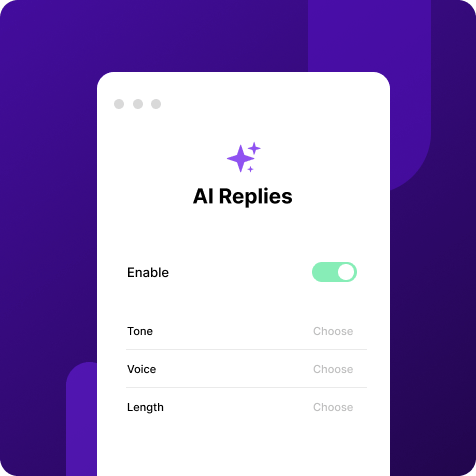
The Six Key Principles of a Strong Response
Here are six rules you should always keep in mind when crafting a response:
- Respond promptly
Customers expect a response quickly. Monitoring reviews and replying timely can show you’re engaged. - Be professional and calm
Your response isn’t just to the reviewer—it’s on display for all future customers. Avoid emotional reactions and stay business-like. - Keep it brief and to the point
Long rants or complex explanations tend to lose the reader. A concise acknowledgement + next step works best. - Make a public reply, then take it offline
Public reply shows you’re responsive; taking the details offline protects privacy and avoids long public back-and-forths. - Know when to engage—and when to let it lie
Not every negative review needs a detailed response (especially if it’s clearly malicious or false). Sometimes the best strategy is no engagement. - Use it as a learning moment
Every negative review is a hint. What recurring complaints are you seeing? Use responses + feedback as improvement leverage.
What to Avoid
- Don’t get defensive or dismissive - You’re representing your business to future readers
- Don’t argue publicly with the reviewer - That rarely ends well
- Don’t ignore repeated themes in negative reviews - If complaints recur, it’s a signal you need to improve systemically
- Don’t wait too long - A very delayed response can look like you don’t care
- Don’t handle everything publicly - Some resolutions require private details—invite the reviewer to continue in direct message, email or phone
Negative reviews aren’t setbacks—they’re opportunities
Find out how to turn criticism into connection.
Read More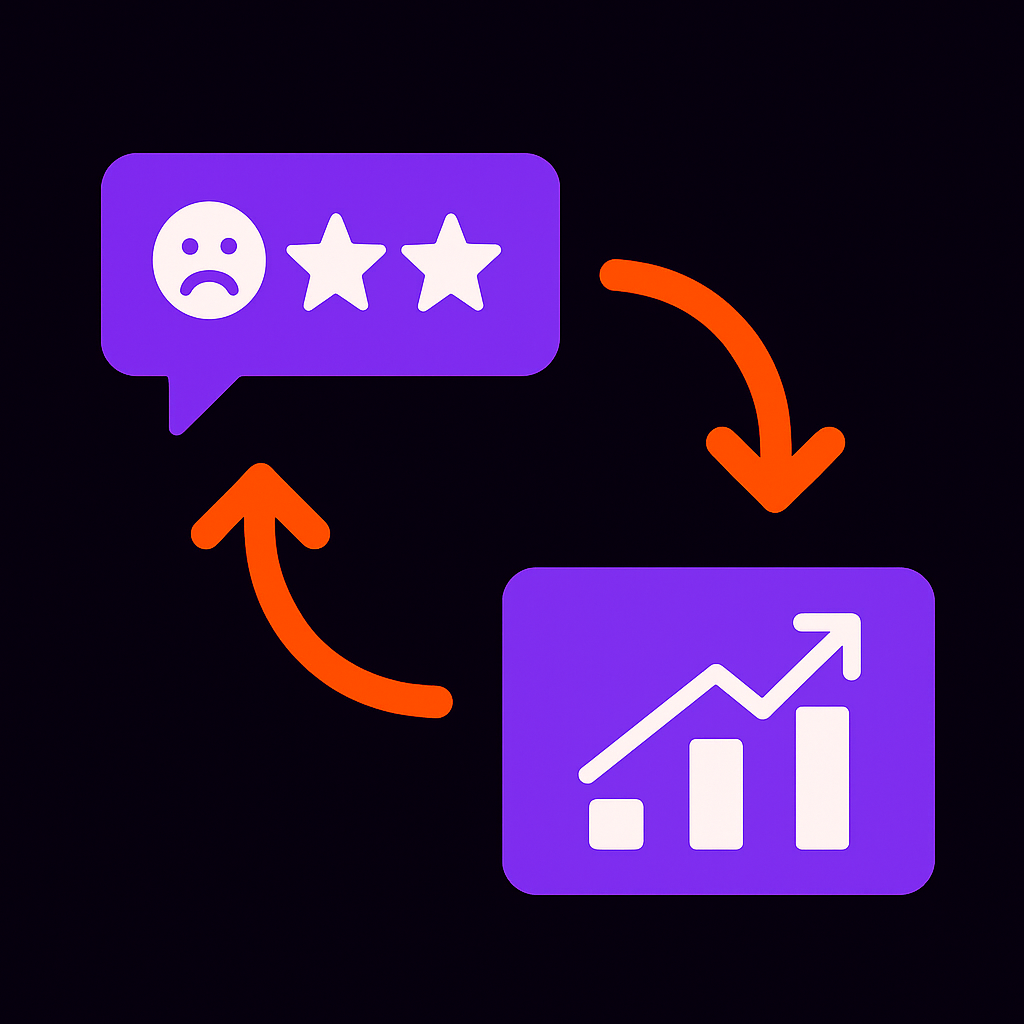
Ready-to-Use Response Templates
Here are several adapted templates you can use and personalize for your business:
Template 1: Simple Apology + Contact
Hello [Name],
We’re very sorry to hear about your experience with [product/service]. We take pride in our team’s work and our customer experience, and we’d like to make this right. A member of our staff will reach out via [phone/email] to discuss how we can turn this around for you.
Sincerely,
[Your Name], [Your Position]
Template 2: Manager/Owner Personal Touch
Hi [Name],
I’m [Name], [Manager/Owner] at [Company]. I’m sorry we fell short this time. I’d like to personally hear more about what happened and see how we can fix it. Please feel free to contact me directly at [phone/email] when convenient.
Best regards,
[Name]
Template 3: When You Need to Clarify or Dispute
Hello [Name],
Thanks for your feedback. We’re committed to delivering quality, and based on our records it seems that [X, Y, Z] didn’t occur as described. We’d appreciate the chance to review the details with you and resolve any misunderstanding. Please reach me at [phone/email].
Thank you,
[Name], [Company]
Template 4: Offer to Make It Right
Hi [Name],
We’re really sorry that you felt let down by us. That’s not acceptable and doesn’t meet the standards we aim to deliver. If you’ll allow us, we’d like to fix this issue immediately. Please give us a call at [phone] or email [email] so we can make things right.
Regards,
[Name]
Real-World Example of a Good Response
Reviewer comment: “I booked your service but your team arrived 45 minutes late and didn’t finish the job as promised.”
Good reply:
Hi [Reviewer],
I’m sorry your experience with us didn’t meet expectations. We know on-time arrival and complete service are important. I’ve reviewed the job details and we’d like to make this right. I will reach out by phone today to discuss how we can correct this and prevent it in the future. Thank you for letting us know.
— [Your Name], [Company]
This response:
- Acknowledges the problem immediately
- Accepts responsibility rather than shifting blame
- Offers a next step (phone call) and a fix
- Stays public, brief, professional
Turning Negative Reviews Into Momentum
Once you master the reply process, you can treat negative reviews as part of your growth engine:
- Track patterns - If many customers are complaining about the same issue (e.g., “late arrival”), that signals a process improvement area
- Highlight your responsiveness - When future customers see you respond thoughtfully, it builds trust
- Leverage learning - Use review insights to update training, service protocols, or customer-communication scripts
- Celebrate transparency - A business that openly addresses issues can stand out for honesty and integrity

Bottom Line
Responding well to negative reviews is not about erasing the review—it’s about showing character. With a prompt, professional, solution-oriented reply you demonstrate you care, you’re competent, and you’re listening.
Combine that with templates, a calm mindset, and use feedback as fuel for improvement—and you turn negative reviews into a strategic advantage.
Need help automating review responses, tracking review themes, or building your overall reputation program? NiceJob is here for that.
Automate the response and amplify the results
Collect more reviews, respond effortlessly, and turn feedback into growth.
Start Free
.png)