
A customer just left a 5-star review after your best technician spent an extra half hour making sure the job was done right. You'd love for that review to say his name. Maybe your team even knows that a name-drop counts toward a bonus or a spot on the leaderboard. Here's the problem: that request could now get the review flagged, and possibly get your whole profile in trouble with Google.
What Google Actually Changed
In April 2026, Google quietly rewrote a section of its Maps user-generated content policy. Two new lines went into the Rating Manipulation section, and together they close a loophole a lot of local businesses had been leaning on for years.
The first bans asking staff to solicit a specific number of reviews. Think review quotas or "get five this month" contests. The second one explicitly prohibits directing staff to request reviews that include specific content, and it calls out reviews that name a staff member as an example.
To be clear, an organic review that happens to shout out an employee is still completely fine. Customers do that all the time, because someone genuinely made their day. The issue is the engineered version: a script, a policy, or an incentive structure that pushes customers toward naming a specific person.
Google's systems can spot patterns, so a sudden wave of reviews that all conveniently mention the same technician can raise flags, even when the praise is real.
The Bind This Puts Local Businesses In
The "get your name in the review" incentive structure is one that a lot of home service and local businesses use. It's simple, it's visible, and it works because people like being recognized for good work. But with these new changes from Google, training staff to ask for name mentions is exactly what the updated policy now targets.
Pull that lever and you risk two things at once: a customer's genuine review getting stripped for looking like solicitation, and your business getting flagged for a pattern of manipulation across dozens of reviews. Neither outcome helps the technician you were trying to reward in the first place.
So the real question isn't whether to recognize good work, but how to do it without putting a staff member's name anywhere near a public review.
How Team Leaderboard Keeps Recognition Without the Risk
NiceJob's Team Leaderboard was built around a simple idea that completely bypasses this: you can know exactly who's driving your reviews without ever asking a customer to say so.
Here's how it works. Every job that comes through gets connected to the team member who completed it. If you've got a CRM connected to NiceJob, that match happens automatically. If you don't have that integration, a logged-in team member can send the review invite themselves, which attributes the review to them the moment it goes out.
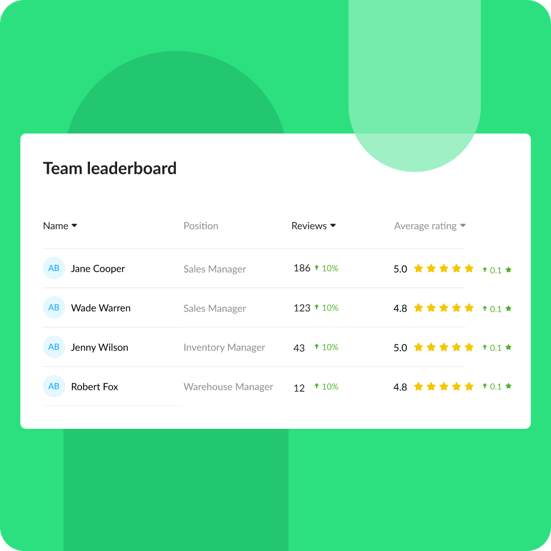
Either way, the customer just gets asked for a genuine review. Behind the scenes, that review lands on your Team Leaderboard, showing you exactly how many reviews each person is generating and what their average rating looks like.
You get a full and clear picture that you can easily track from a dashboard, showing you:
-
Who's earning great feedback
-
Who might need some coaching
-
Who deserves a bonus this quarter
None of that requires a staff name to show up in a single public review. Your incentive program stays intact, and your reviews stay policy-safe.
What To Do With Your Review Process Now
If your current review request process leans on staff names, it's worth a quick audit before Google's enforcement catches up to you.
-
Rewrite any scripts or automated messages: Instead of asking customers to mention a specific employee. Keep the ask focused on the experience itself: "How did we do today?" works.
- Move the recognition piece internally: A leaderboard your team can see, tied to real attribution data, does the motivational work that public name-drops used to do—without exposing your business to a policy violation.
And if you're running a business with several technicians or service providers, an all-in-one reputation management software like NiceJob is especially useful and commonly used across home service businesses.
These changes from Google aren’t asking you to stop recognizing good work. In fact, it emphasizes that as a business, you shouldn’t rely on customers name-dropping in reviews to identify who’s doing a good job. Team Leaderboard gives you a way to keep score privately and still reward the people making your reviews look good.
Give your team the recognition they've earned
See exactly who's driving your reviews without risking a policy flag.
Start Free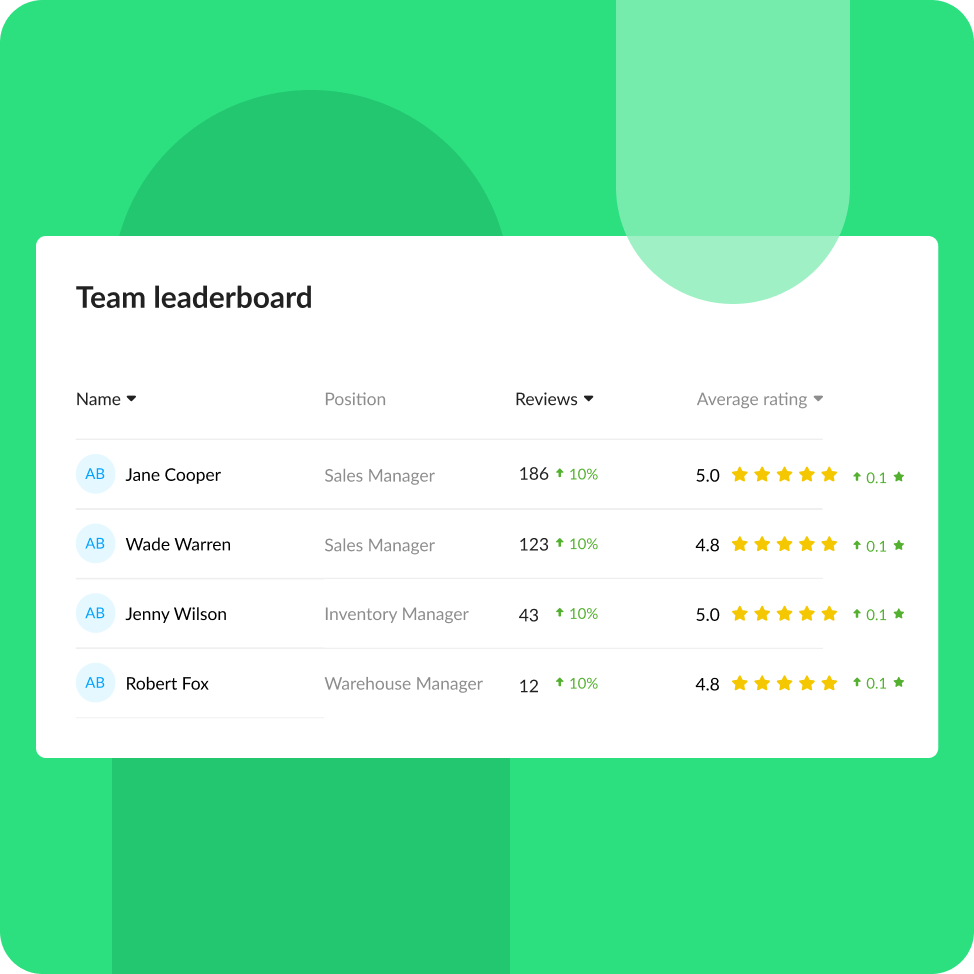



-1.png)