
Last Updated: November 13, 2026
Nobody gets excited about checking whether their phone number matches across four different directories. It is not a growth hack, it will never trend on LinkedIn, and it looks suspiciously like busywork. But it is quietly deciding whether AI tools recommend your business at all.
Here is the 20-minute fix most home service businesses skip, and why skipping it costs more now than it did two years ago.
What NAP Consistency Actually Means (and Why AI Cares More Than Google Did)
NAP stands for name, address, and phone number. NAP consistency means those three details appear identically everywhere your business shows up online: your website, your Google Business Profile (GBP), Apple Business Connect, Bing Places, and every directory or aggregator that lists you. Identically is the key factor to remember here. "123 Main St." on one listing and "123 Main Street, Suite B" on another is a mismatch, even though it could be assumed that they're the same business.
Google treated NAP consistency as one signal among many for years, useful but rarely decisive on its own. AI search doesn’t work that way. Large language models don’t crawl and rank pages the way Google's local algorithm does. They pull from aggregated business data and treat repeated, matching mentions as proof something is trustworthy, the way traditional search treats links. When your details conflict across sources, there’s no ranking system to fall back on. The model either picks the version it trusts most, sometimes arbitrarily, or leaves your business out of the answer entirely.
Whitespark's 2026 Local Search Ranking Factors report puts a number on this. After a decade of declining importance, citations are becoming relevant again because AI search is reviving their value, and three of the top five AI search visibility factors it tracked were citation-related. Matching business details across platforms went from a nice-to-have to one of the higher-leverage things you can do for AI visibility, seemingly overnight.
For the bigger picture on how these signals fit together, see our guide on How Home Service Companies Get Found In AI Search.
Where to Check: GBP, Apple Business Connect, Bing Places, and Data Aggregators
Before fixing anything, find out where you actually stand. NAP data lives in more places than most business owners realize, and each one feeds a different slice of AI search.
- Your own website. The source everything else should match. Check the footer, contact page, and schema markup.
- Social media profiles. Facebook, Instagram, LinkedIn, and similar profiles often keep an old address or phone number after a move or rebrand, and they're a place that conflicting details can surface.
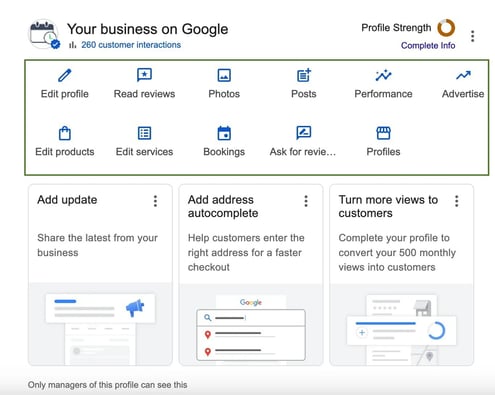
- Google Business Profile. Your primary listing and the source most local AI answers still lean on heavily.
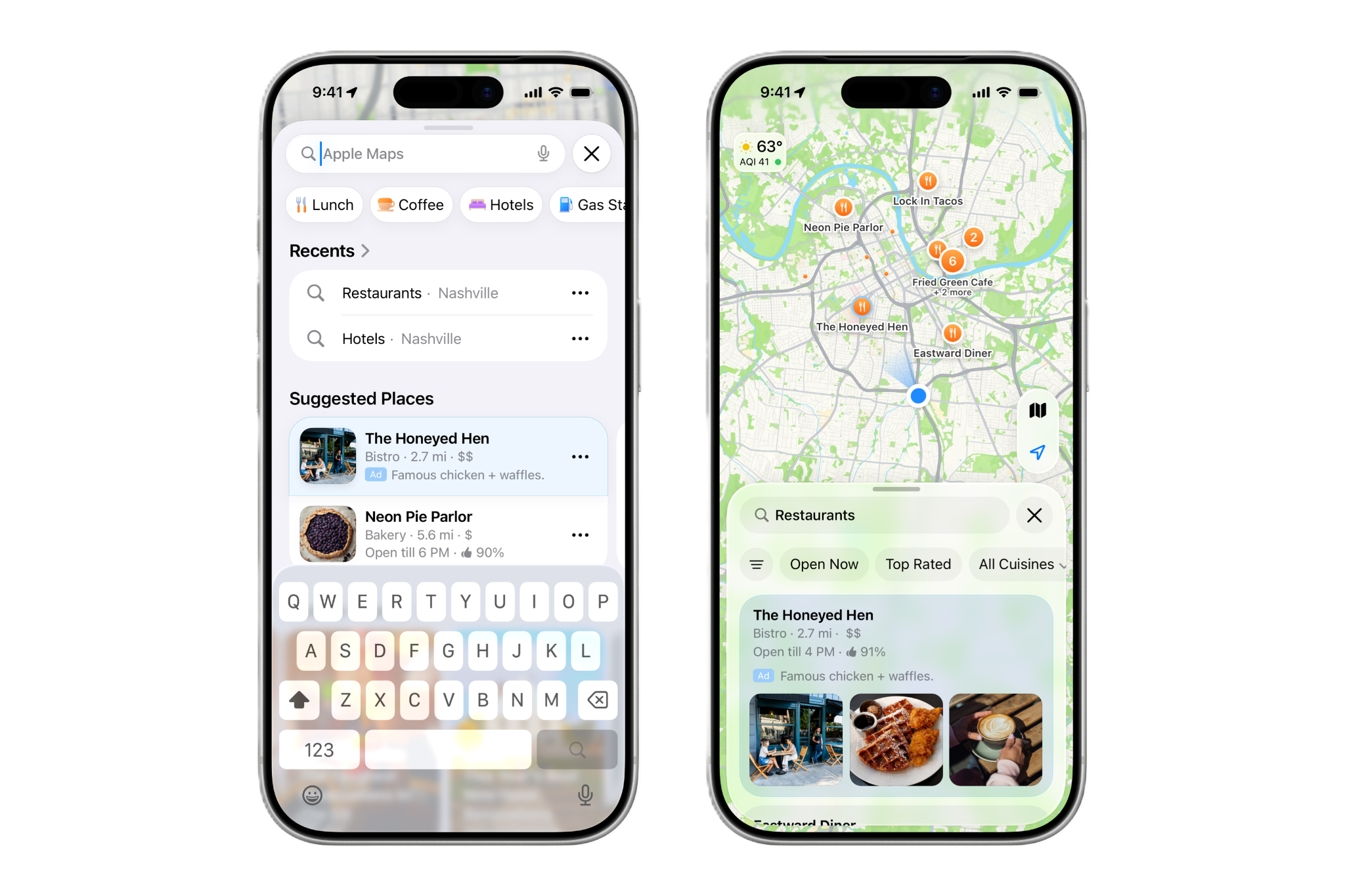
- Apple Business Connect. Powers Siri, Apple Maps, and increasingly, other AI assistants that pull from Apple's data layer.
- Bing Places. Feeds Microsoft Copilot and Bing's own AI-powered results.
- Data aggregators and review directories. Sites that redistribute your business data to dozens of smaller platforms, often without you noticing the errors have spread.
Self-audit checklist, 20 minutes:
- Search your exact business name and pull up your website, GBP, Apple Business Connect, and Bing Places side by side.
- Compare name, address, and phone number character by character, including abbreviations like "St." versus "Street."
- Check whether your suite or unit number is included consistently, or missing entirely, on any listing.
- Search your business name plus your city to surface any older directory listings you forgot existed.
- Note every mismatch in one place before fixing anything, so you can prioritize the highest-traffic sources first.
This is not just an AI problem. A February 2026 survey from Data Axle found that nearly seven in ten consumers say they have visited or tried to visit a business only to find its online information was wrong, and eighty-five percent say incorrect or outdated information affects whether they return. A mismatched NAP was already losing you customers before AI search made it a visibility problem too.
How to Fix Inconsistencies Once You Find Them
Once you have your list of mismatches, the fix itself is mechanical. The order is what trips people up.
Correct the error at its source first, not on whichever aggregator happens to display it. If your address is wrong on your own website, fixing GBP will not solve the underlying problem. The aggregator will likely re-pull the outdated version on its next refresh cycle anyway. Work outward from your website, not the other way around.
- Update your website's footer, contact page, and any schema markup first.
- Correct your Google Business Profile listing directly in the GBP dashboard.
- Update Apple Business Connect and Bing Places using their respective self-serve portals.
- Submit corrections to any data aggregators surfacing outdated information, since these often feed dozens of smaller directories automatically.
- Set a recurring quarterly reminder to re-run your self-audit checklist, especially after any move, rebrand, or phone system change.
Moved locations recently, or changed numbers? Do this first, ahead of everything else on your to-do list. Stale data compounds the longer it sits uncorrected.
FAQ
Does a suite number count as a mismatch?
Yes. "123 Main St." and "123 Main St., Suite 200" are treated as different addresses by most citation-matching systems, even though they describe the same location. Always include the full address, suite number included, everywhere it appears.
What if I've moved locations?
Update your primary sources first (website, GBP, Apple Business Connect, Bing Places), then work through aggregators. Expect a lag of several weeks before every downstream directory catches up, and recheck your self-audit list after thirty days to confirm the correction propagated.
Does keeping up with NAP consistency replace the need for fresh reviews?
No, they work as complementary trust signals rather than substitutes. NAP consistency tells AI search your business details are accurate. Review recency tells it your business is still active. A tool like NiceJob's automated review requests keeps that second signal fresh without adding it to your to-do list, but it will not fix a mismatched address on Bing Places for you. Both need attention.
Fix your Apple listings next
With a solid NAP foundation, Apple Business Connect deserves its own setup pass since it feeds Siri and Apple Maps directly.
Learn More